6 Min Read
Your kitchen should support you not just today, but for the years ahead. For many empty nesters in Oakland County, aging in place is all about staying independent and intentional. Even when you're not sure what to expect in the coming years, you can remodel your kitchen to stay put in the place you've known as "home" well into the future.
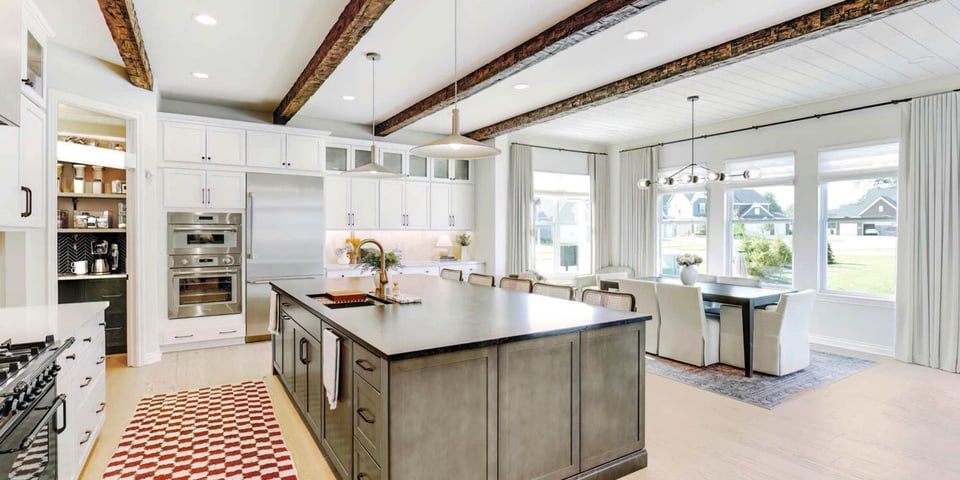
This blog explores why empty nesters in Oakland County are prioritizing aging-in-place kitchen design, what features make long-term living easier, and why proactive planning leads to safer, more comfortable kitchens that protect independence without sacrificing style.
Here's what we're covering about aging in place:
What Does “Aging in Place” Mean in Kitchen Design?
Why Are Empty Nesters in Oakland County Prioritizing Aging in Place?
What Kitchen Features Make Aging in Place Easier?
Should You Remodel Now or Wait Until You “Need” It?
What Does “Aging in Place” Mean in Kitchen Design?
When homeowners hear the phrase “aging in place,” they often picture a clinical setting or major mobility limitations. But in reality, aging-in-place kitchen design is far more practical and far more proactive than that.
At its core, aging-in-place kitchen design means creating a space that works comfortably and safely, not just today, but 10–20 years from now. You can prepare for long-term livability rather than react to a problem after it appears.
Designing for Long-Term Comfort and Safety
An aging-in-place remodel focuses on making everyday tasks easier and safer over time. These updates are thoughtful refinements that help the kitchen remain functional as needs evolve.
That might mean:
- Improving lighting and overall visibility
- Creating wider, clearer walkways
- Reducing trip hazards and floor transitions
- Positioning appliances for easier access
- Incorporating slip-resistant flooring
- Minimizing sharp corners or protruding edges
Reducing Physical Strain Over Time
Kitchens demand repetitive movement: bending, reaching, lifting, twisting, and standing. Over the years, those motions can become more difficult. The goal isn’t to “design for disability.” It’s designed for comfort, efficiency, and reduced strain as the body changes naturally over time.
A well-planned aging-in-place kitchen design may include:
- More drawers instead of deep lower cabinets
- Pull-out shelving to reduce bending and reaching
- Strategic appliance placement at accessible heights
- Lever-style handles and easy-grip hardware
- Touchless or easy-control faucets
- Lowered or varied-height prep areas
- Pull-out trash and recycling systems
Creating Flexibility Without Sacrificing Beauty
One of the biggest misconceptions about aging-in-place home design is that it looks clinical or institutional. In reality, universal design principles allow homeowners to incorporate accessibility features without compromising style.
Smart design choices can:
- Blend seamlessly into high-end cabinetry
- Increase resale appeal
- Improve functionality for guests of all ages
- Maintain a clean, modern aesthetic
- Support future adaptability without visible modifications
Why Are Empty Nesters in Oakland County Prioritizing Aging in Place?
For many homeowners, the empty nest stage brings a shift in perspective. The house feels quieter. The pace changes. And long-term plans start to come into focus.
That’s why we’re seeing more interest in a kitchen remodel for empty nesters in Michigan, especially projects that thoughtfully incorporate aging-in-place principles.
In Oakland County, this trend isn’t driven by urgency. It’s driven by intention.
High Home Equity Creates Opportunity
Many empty nesters in Oakland County have owned their homes for decades. With strong property values and significant equity built over time, homeowners are in a position to invest in the spaces they use most.
Instead of downsizing, many are choosing to improve what they already have, updating kitchens to better support the next chapter of life.
An aging-in-place remodel in Michigan often becomes less about necessity and more about long-term comfort and smart reinvestment.
A Strong Desire to Stay in Established Communities
Oakland County homeowners tend to love where they live.
They’ve built relationships with neighbors. They’re close to family. They know their local restaurants, parks, and routines. The idea of moving simply to gain functionality doesn’t always appeal.
Aging in place in Oakland County allows homeowners to remain rooted in their community without sacrificing comfort or independence.
Lifestyle Shifts Change How the Kitchen Is Used
The kitchen that once handled busy mornings and large family gatherings may now serve a different purpose.
Empty nesters often want:
- More efficient layouts
- Better lighting
- Simplified storage
- Spaces that feel calm instead of crowded
Entertaining may still happen, but it’s often simpler and more relaxed. The kitchen becomes less about volume and more about ease.
A kitchen remodel for empty nesters in Michigan frequently reflects this shift: fewer compromises, more thoughtful design.
Planning Before Retirement Solidifies
Another key reason aging-in-place remodels are gaining traction is timing.
Many homeowners choose to remodel while:
- Income is stable
- Mobility is strong
- Decisions can be made without pressure
Planning before retirement fully settles in allows for thoughtful budgeting and smoother execution. It also means homeowners can enjoy the results immediately rather than waiting until changes feel necessary.
What Kitchen Features Make Aging in Place Easier?
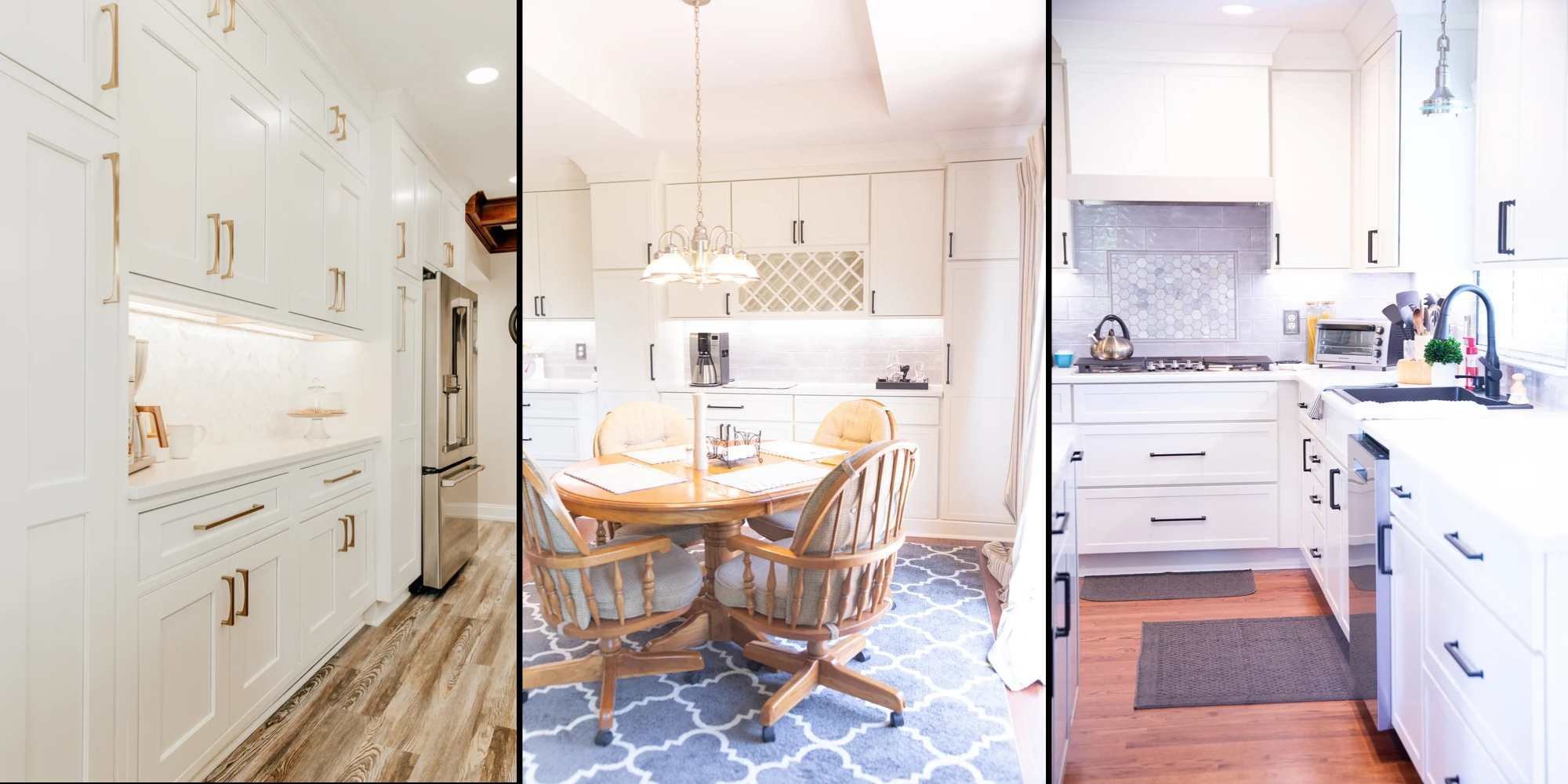
When homeowners search for aging-in-place kitchen features, they’re usually looking for practical upgrades, not drastic changes. The goal of senior-friendly kitchen design isn’t to redesign your life. It’s to remove friction from it.
An accessible kitchen remodel focuses on improving how the space functions day to day, while keeping it beautiful, comfortable, and aligned with your lifestyle.
Here’s what that looks like in real life:
1. Smarter Storage Solutions
Storage is one of the first areas where homeowners notice strain. Bending down into deep cabinets, reaching into upper shelves, and digging for items in the back becomes less convenient, or even impossible, over time.
Smarter storage is about accessibility, visibility, and ease.
Common upgrades include:
- Pull-out shelving in lower cabinets
- Full-extension drawers instead of traditional base cabinets
- Deep pot-and-pan drawers with interior dividers
- Pull-out spice racks and tray organizers
- Pull-out trash and recycling systems
- Appliance garages to keep necessities at counter level without visual clutter
2. Safer Layout & Walkways
The way your kitchen flows matters more than most homeowners realize. Tight clearances and awkward turns may feel manageable now, but over time, they can become frustrating or even risky.
A thoughtful layout creates breathing room.
Important layout considerations include:
- Wider clearances between islands and perimeter cabinets
- Clear, unobstructed traffic paths
- Fewer pinch points in high-use areas
- Comfortable turning space
- Strategic island placement to avoid crowding
- Logical workflow between sink, refrigerator, and cooktop
- Seating areas that don’t block movement
3. Lighting & Visibility
Lighting becomes increasingly important with age. Shadows, glare, and uneven lighting can make simple tasks more difficult than they need to be.
A well-lit kitchen improves safety and reduces strain while also enhancing the overall atmosphere of the space.
Effective lighting strategies often include:
- Focused task lighting over prep areas
- Under-cabinet lighting to eliminate countertop shadows
- Interior cabinet lighting for improved visibility
- Layered lighting that balances ambient and task needs
- Dimmers to adjust brightness throughout the day
4. Easy-to-Use Hardware & Fixtures
The smallest details can have the biggest daily impact. Hardware and fixtures that feel intuitive reduce unnecessary effort.
Instead of twisting, gripping, or pulling awkwardly, the kitchen should respond easily.
Helpful updates include:
- Lever-style door and cabinet handles
- D-shaped pulls instead of small knobs
- Soft-close drawers and cabinet doors
- Touchless faucets
- Single-handle faucet controls
- Larger, easy-to-read appliance controls
- Smooth-glide drawer systems
5. Safer, More Accessible Appliances
Appliances are central to how the kitchen functions, and their placement matters just as much as their style.
Safer appliance choices can reduce risk and improve usability over the long term.
Thoughtful options include:
- Wall ovens installed at a comfortable height
- Drawer-style microwaves that eliminate overhead lifting
- Induction cooktops that reduce burn risk
- Side-opening oven doors for easier access
- Refrigerators with bottom freezers
- Counter-depth appliances for improved walkway space
- Pull-out shelves in appliance cabinets
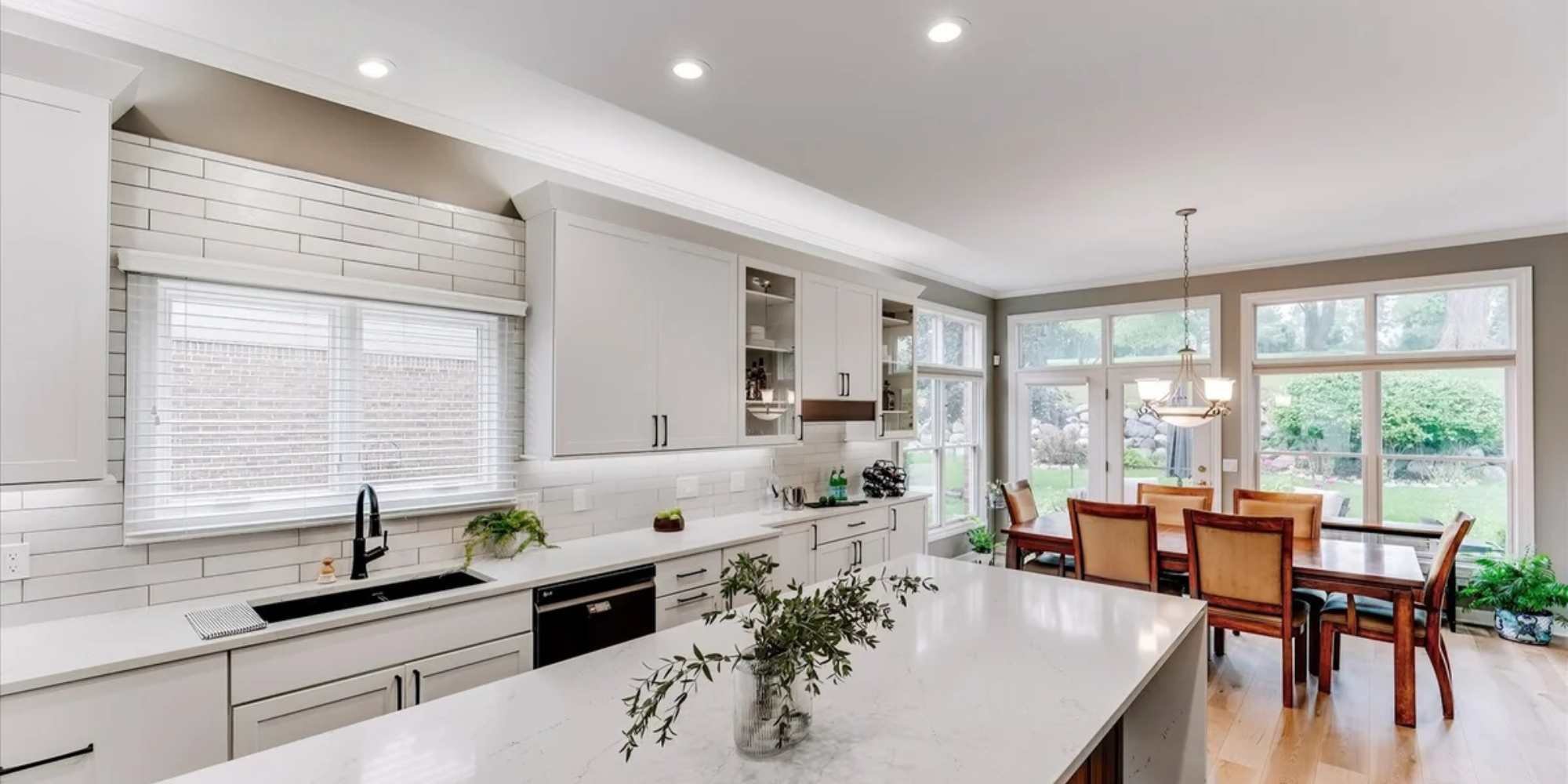
Should You Remodel Now or Wait Until You “Need” It?
It’s one of the most common questions homeowners ask when considering aging in place planning:
Should we do this now… or wait until it’s necessary?
On the surface, waiting can feel practical. If the kitchen still works, why disrupt it? But when it comes to a kitchen remodel for long-term living, timing makes a significant difference.
Remodeling Proactively Is Easier
When you remodel by choice rather than by necessity, the experience feels entirely different. There’s room to think, ask questions, and refine details. You’re improving your home because it makes sense, not because something forced your hand.
Proactive remodeling allows you to:
- Make decisions without pressure
- Explore multiple layout and storage options
- Phase improvements if needed
- Align the project with your personal calendar
Avoiding Emergency Renovations
Waiting until you “need” to remodel often means something triggers the decision. Emergency renovations compress timelines and limit flexibility. Aging-in-place planning keeps you in control of both the design and the schedule.
That might look like:
- A fall or mobility concern
- Appliances become more dangerous to use
- A layout that suddenly feels unsafe
- Difficulty accessing essential storage
Protecting Independence
For many empty nesters in Oakland County, independence is the real goal. When changes are proactive, they feel empowering, not corrective.
Remodeling early allows you to:
- Maintain full control over design decisions
- Choose features that feel intentional, not reactive
- Preserve confidence in how your home supports you
- Avoid relying on temporary fixes later
- Stay comfortably in your home longer
Reducing Stress Later
One of the greatest benefits of remodeling before it’s necessary is peace of mind. Instead of wondering whether your kitchen will keep up with you, you already know it will.
A kitchen designed for long-term living:
- Removes future “what if” concerns
- Reduces the risk of sudden disruptions
- Supports daily comfort as needs evolve

Smart Planning Today. Comfort for Years.
Aging-in-place planning facilitates designing a kitchen that continues to work beautifully for you over time rather than preparing for limitations. The best remodeling decisions happen before they’re urgent, when flexibility and clarity are on your side.
At Cabinet Creations, we help Oakland County homeowners create kitchens built for long-term living, and we’d be happy to start the conversation whenever you’re ready.