4 Min Read
If you’ve been saying “maybe next year” about your kitchen remodel for a while, this is for you. The real question isn’t if you’ll remodel, but whether you’ll keep putting up with daily frustration longer than you need to.
This blog explores why waiting often extends kitchen frustrations, how the 2026 remodeling landscape affects cost and planning, and why homeowners don’t need urgency to move forward, just a clear, thoughtful plan that replaces uncertainty with confidence.
Here's what we're covering in this blog:
If You’ve Been Thinking About It for Years, This Is for You
The Real Costs of “One More Year”
What’s Happening in the 2026 Market and Why It Matters for Kitchen Remodel Costs
If You’ve Been Thinking About It for Years, This Is for You
If you’ve been thinking about remodeling your kitchen for a long time, this section is for you.
You might be someone who:
- Researches endlessly
- Saves inspiration photos and ideas
- Mentally redesigns the kitchen every time something annoys you
- Says “maybe next year” … every year
That doesn’t mean you’re indecisive. It means you care. Most homeowners don’t rush into a kitchen remodel. They think about it carefully, often for years.
And here’s the important part: you’ve already done more work than you realize!
- You know what doesn’t work in your current kitchen
- You’ve noticed layout issues, storage problems, and daily frustrations
- You’ve imagined how the space could function better, even if only in pieces
That’s why 2026 is a logical time to move forward. Not because you’re being rushed. Not because something broke. But because you’re approaching the decision thoughtfully and intentionally.
Planning beats reacting every time
When remodels are triggered by urgency (a failed appliance, a sudden issue, a breaking point), decisions tend to be rushed, and compromises feel unavoidable. But when homeowners plan ahead, time becomes an advantage, not a constraint.
Thoughtful planning allows you to:
- Make better design decisions
- Understand trade-offs before they become problems
- Reduce stress instead of adding to it
- Move forward with confidence instead of pressure
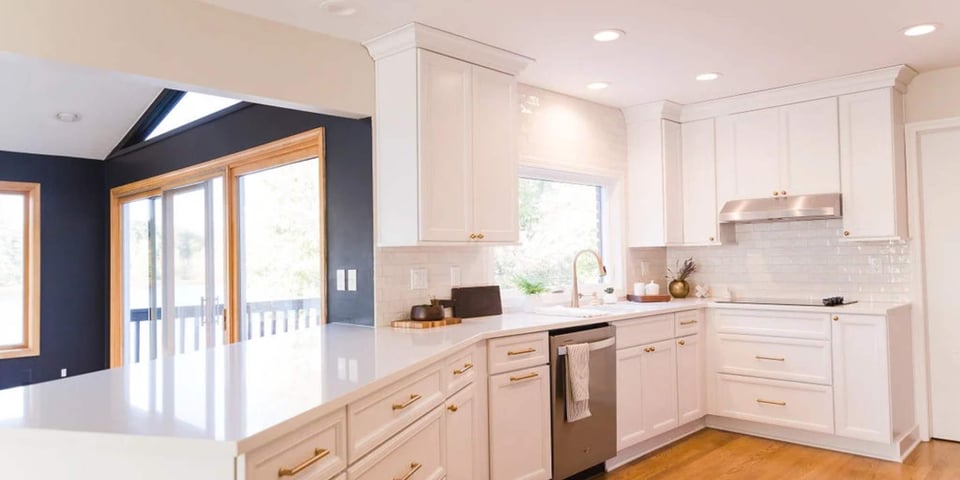
You can see how those early decisions translate into a finished space in our White Lake kitchen remodel, where thoughtful planning helped shape the final kitchen design.
There’s a difference between planning that moves you forward and planning that keeps you stuck. Research and inspiration are valuable, but only when they eventually lead to clarity and direction.
The Real Costs of “One More Year”
Waiting to remodel often feels like the safe, responsible choice. But in reality, it usually means living with the same frustrations for another year without making the decision any easier.
For most homeowners, the kitchen doesn’t fail overnight. It slowly becomes harder to live with.
Daily inconveniences often include:
- A poor layout that disrupts cooking, cleaning, or hosting
- Limited storage that leads to cluttered counters and frustration
- Outdated functionality that no longer fits your lifestyle
- Awkward work zones that create bottlenecks
- Appliances or features that feel inefficient or worn
Over time, these issues create emotional fatigue:
- Constantly working around problems instead of solving them
- Second-guessing every meal, gathering, or routine
- Feeling stuck between “good enough” and “not what we want”
Postponing a remodel doesn’t reduce uncertainty. It preserves it. The same questions remain, the same compromises continue, and the desire for change doesn’t go away.
If you’re still weighing the timing, understanding when to remodel your Oakland County home can help you determine whether it makes sense to move forward now or continue planning for later.
The Problem With Budgeting a Kitchen Remodel Too Far in Advance
Planning a kitchen remodel budget too far in advance can actually create more work later. Even with thoughtful planning, things like materials, labor, and availability evolve over time.
That’s why budgeting works best when it’s done with current information and clear context, not long before decisions are being made.
When homeowners budget with clarity at the right time, they’re better able to:
- Avoid having to revise budgets repeatedly as costs shift
- Make adjustments with intention instead of scrambling
- Understand what’s driving costs as the project timeline approaches
- Prioritize where to invest and where simplifying still meets their goals
A clear, timely plan doesn’t lock homeowners into outdated numbers. It keeps expectations aligned as the remodel moves closer, reducing frustration and making the budgeting process far more manageable.
What’s Happening in the 2026 Market and Why It Matters for Kitchen Remodel Costs
When homeowners put off a remodel, it’s often with the assumption that waiting will make things clearer, easier, or even less expensive. In reality, waiting rarely freezes conditions; it simply delays decisions that are already coming.
Here’s what homeowners should understand about the 2026 remodeling landscape and how it affects kitchen remodel costs.
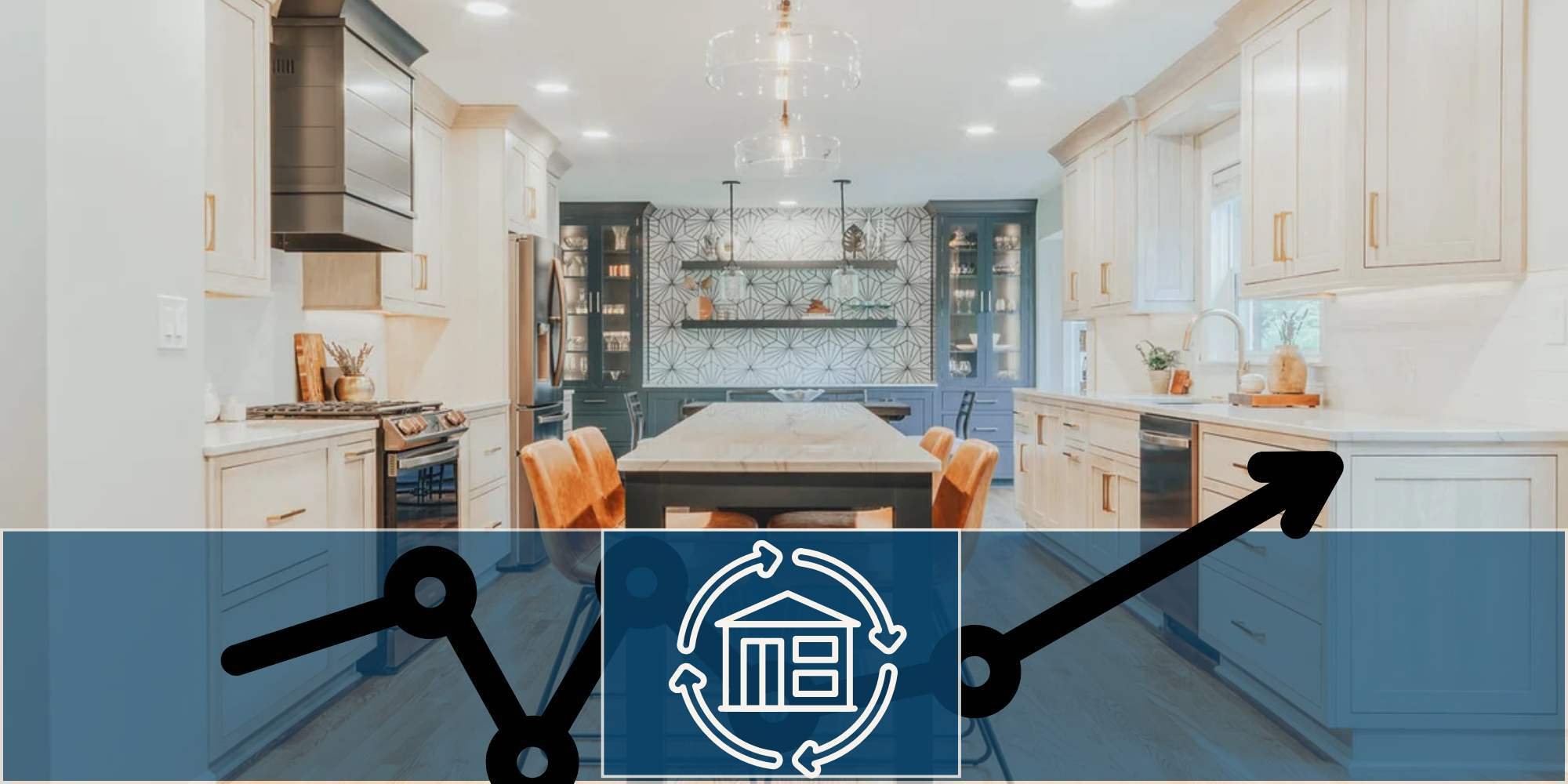
Remodeling Costs Don’t Go Down Over Time
In most cases, remodeling costs rise gradually rather than drop suddenly.
Factors that tend to increase over time include:
- Material pricing
- Skilled labor rates
- Transportation and logistics costs
- Availability of specialty products and custom components
Waiting “one more year” often means paying more for the same scope of work. Planning ahead doesn’t eliminate cost changes, but it does allow homeowners to control when they move forward instead of reacting to price shifts later.
Labor Availability Continues to Impact Scheduling
Skilled trades remain in high demand, and that affects more than just pricing it affects timelines.
When projects are planned early, homeowners benefit from:
- Greater flexibility in scheduling
- More options that fit family and work calendars
- Less pressure to accept inconvenient start dates
Last-minute projects tend to have fewer choices. Planning for 2026 creates breathing room instead of forcing compromises.
Design & Material Lead Times Still Matter
Kitchen remodels involve more than picking finishes. Cabinetry, specialty materials, and custom elements all require thoughtful coordination.
Without enough lead time:
- Options can become limited
- Decisions feel rushed
- Homeowners settle for “available” instead of “ideal”
Planning ahead expands choices rather than narrowing them especially for homeowners who care about layout, storage, and long-term functionality.

You Don’t Need Urgency. You Need a Plan.
One of the biggest misconceptions about remodeling is that urgency is what moves things forward. In reality, urgency often leads to rushed decisions, added stress, and compromises that homeowners later regret.
What you actually need is a plan. Part of that plan is understanding who you want to work with. Comparing kitchen remodelers in the Oakland County area can help you understand your options and find a team whose process, experience, and approach align with your project.
A solid plan helps homeowners:
- Understand what the remodeling process actually looks like
- See realistic timelines instead of guessing
- Get comfortable with budget ranges and trade-offs
- Reduce second-guessing by creating a clear direction
- Move forward confidently without feeling pressured
When you have a plan, pressure fades. You’re no longer reacting or waiting for the “perfect” moment. You’re making informed decisions that fit your priorities, lifestyle, and timing.
Planning early feels calmer because it creates clarity. Instead of asking, “Are we ready right now?” the question becomes, “What’s the smartest next step?”
From “Someday” to a Real Plan
Waiting can feel safe, but it often means living with the same frustrations year after year. Planning a kitchen remodel requires clarity, guidance, and a process built around real life. Seeing how those decisions come together in a finished space can also help make the process feel more tangible. Our Ferndale kitchen remodel is one example of how thoughtful planning can turn everyday frustrations into a kitchen that works better for the homeowners.
At Cabinet Creations, we help Oakland County homeowners turn “someday” into a confident plan, and we’re always happy to start with a simple consultation when you’re ready.